
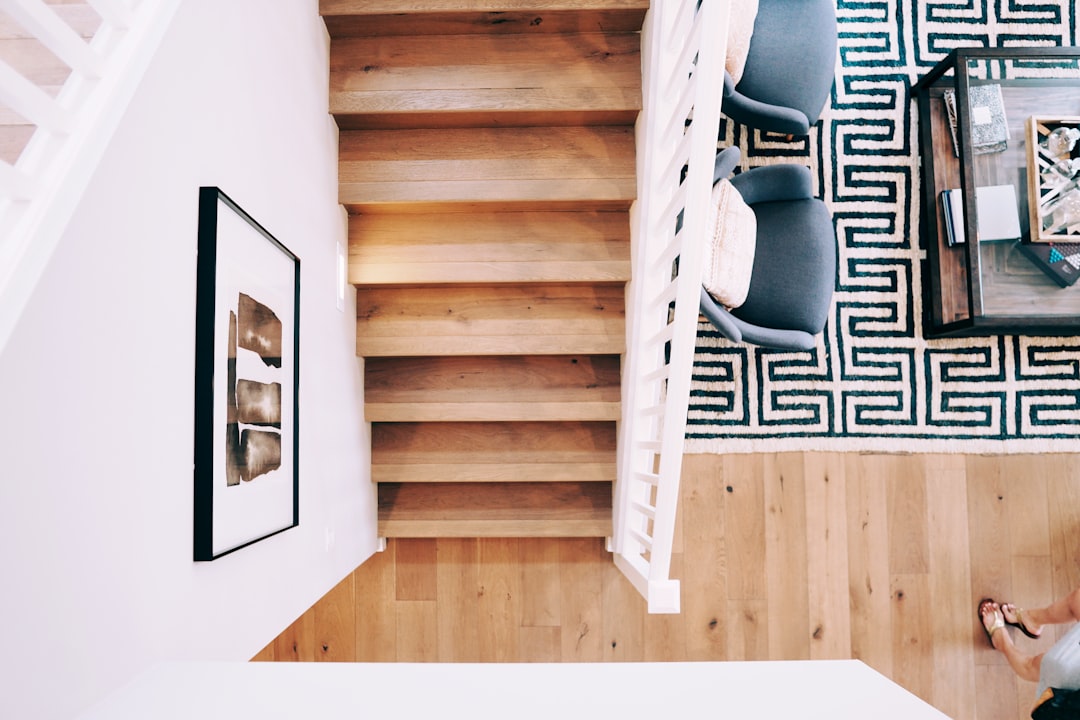
Rug Placement Tips to Elevate Any Room in Your House

Rugs are more than just decorative elements in a room; they serve as functional pieces that can transform the ambiance and comfort of your space. Proper rug placement can enhance the aesthetics of any room, making it feel more inviting and cohesive. Whether you are looking to define areas within an open floor plan or add warmth to a cold tile floor, understanding how to place rugs effectively is essential.
Understanding the Purpose of Rugs
Before diving into placement tips, it’s important to understand the purpose of rugs in your home. Rugs can help to define spaces, add warmth, and provide comfort underfoot. They can also absorb sound, making a room feel quieter and more serene. By recognizing these benefits, you can make more informed decisions about where and how to place your rugs.
Additionally, rugs can serve as a focal point in your decor. A well-chosen rug can tie together various elements of a room, such as color schemes and furniture styles. This makes it crucial to consider the overall design of your space when selecting and placing rugs.
Choosing the Right Size
One of the most common mistakes in rug placement is choosing the wrong size. A rug that is too small can make a room feel disjointed, while one that is too large can overwhelm the space. As a general rule, the front legs of your furniture should sit on the rug, creating a cohesive look. In dining areas, the rug should be large enough to accommodate the chairs even when they are pulled out.
To determine the right size, measure your space and consider the layout of your furniture. If you are working with an open floor plan, a larger rug can help to define the living area, while smaller rugs can be used in more intimate settings. Taking the time to measure will ensure that your rug enhances rather than detracts from your space.
Layering Rugs for Depth
Layering rugs is a popular trend that adds depth and texture to a room. This technique involves placing a smaller rug on top of a larger one, creating a visually interesting contrast. When layering, choose rugs with different textures and patterns to create a dynamic look. For example, a plush shag rug can be layered over a flatweave rug for added comfort and style.
When layering, it’s important to ensure that the colors complement each other. This will help to create a harmonious look that feels intentional rather than chaotic. Additionally, consider the placement of your furniture to ensure that the layered rugs work together to define the space effectively.
Placement in Different Rooms
Each room in your home has unique needs when it comes to rug placement. In living rooms, rugs should be placed in a way that encourages conversation, typically under the coffee table and seating area. In bedrooms, placing a rug under the bed can create a cozy atmosphere, while in dining rooms, ensure that the rug extends beyond the table to accommodate chairs.
In hallways, runner rugs can add style while also providing a practical solution for high-traffic areas. For kids’ playrooms, consider using durable, easy-to-clean rugs that can withstand spills and messes. By tailoring your rug placement to the specific needs of each room, you can enhance both functionality and aesthetics.
Step-by-step plan:
Step 1: Measure your space to determine the appropriate rug size. Step 2: Choose a rug that complements your existing decor and furniture. Step 3: Experiment with different placements to find the most visually appealing arrangement. Step 4: Consider layering rugs for added texture and depth.